
Plumbing Services › Whole-House Repiping
Whole House Repiping
Whole House Repiping in McMinnville, OR
When your home’s pipes are past patching, we replace the entire system in durable PEX-A, done right the first time and backed by a 25-year manufacturer warranty.
Schedule ServiceCall (503) 583-0267
5.0 Rating On GooglePEX-A, Built To LastSame-Day Service
When Patching a Leak Isn't the Real Fix
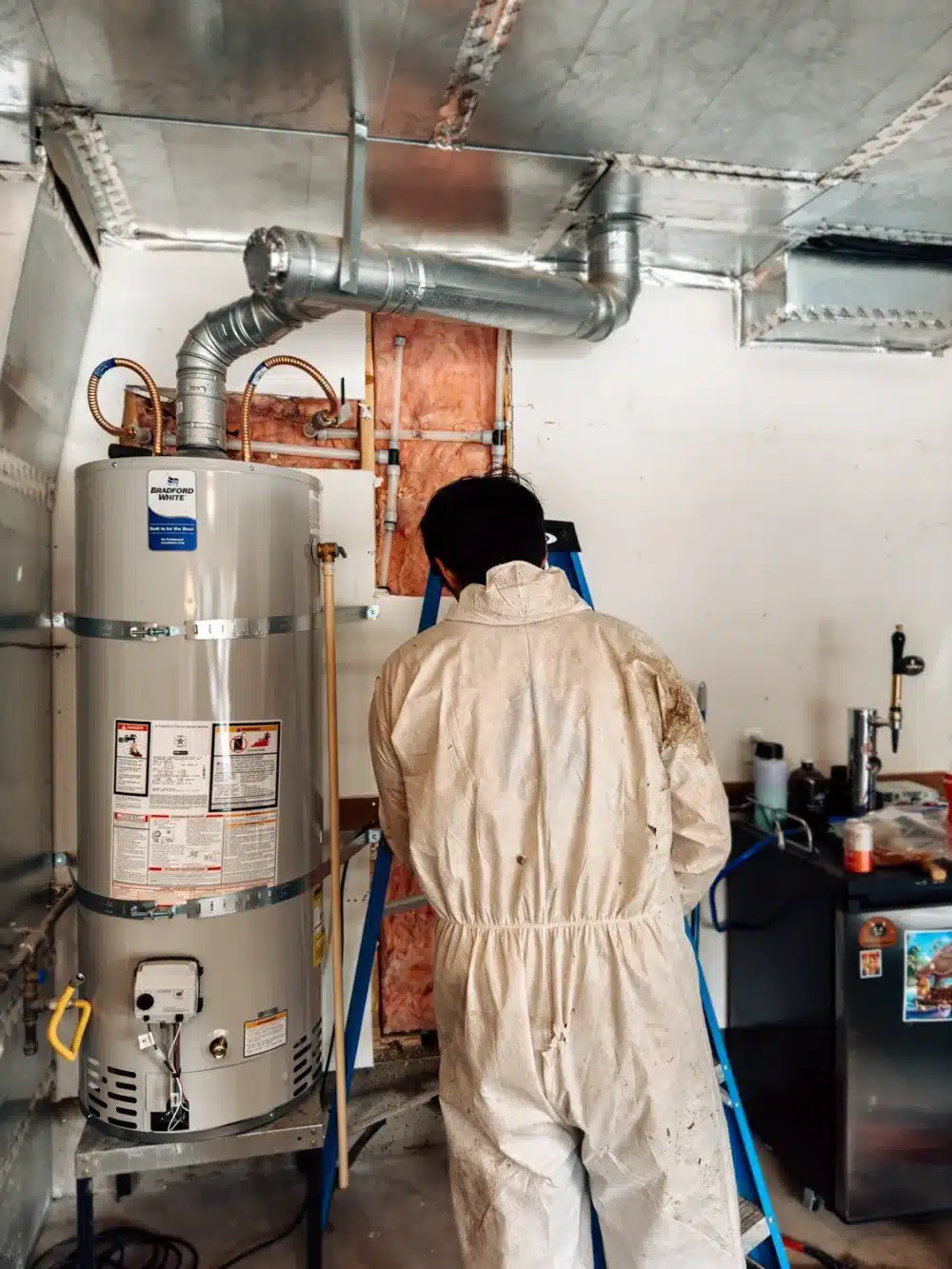
Older McMinnville homes were built with materials that don’t hold up forever, and once they start failing, they tend to keep failing. A repipe replaces the whole supply system at once, so you stop chasing the next leak and start with pipe that’s built for the next several decades.
- Full interior supply-line replacement in PEX-A
- One coordinated job, not a string of repeat repairs
- 25-year manufacturer warranty
Schedule ServiceCall (503) 583-0267
You've Had One Leak Too Many, or You're Planning Ahead
Most repipe conversations start one of two ways. Either way, we walk you through the decision honestly.
You Keep Getting Pinhole Leaks
A leak here, a leak there, and a growing sense that the next one is only a matter of time. Rather than keep patching the same aging pipe, a repipe stops the pattern for good.
You're Planning It Before It Becomes an Emergency
You know your home’s pipes are getting old, and you’d rather schedule the work on your terms than deal with it after a pipe fails. That’s exactly the kind of considered decision a repipe is built for. Some homeowners spend months saving up for it, and we’ll have that conversation with you at whatever pace makes sense.
Local Repipe Experts, Ready to Help
Schedule ServiceCall (503) 583-0267
Signs Your Home May Need a Repipe
If several of these sound familiar, it’s worth a conversation about repiping instead of another one-off repair.
- Repeated pinhole leaks, especially on the hot water side
- Low water pressure that repair after repair hasn’t fixed
- Visibly corroded, discolored, or rusty pipe wherever it’s exposed
- Water that looks or smells off right after it comes out of the tap
- A home built with older copper or CPVC piping that’s now decades old
- You’ve already repaired the same section of pipe more than once
- Repeated pinhole leaks, especially on the hot water side
- Low water pressure that repair after repair hasn’t fixed
- Visibly corroded, discolored, or rusty pipe wherever it’s exposed
- Water that looks or smells off right after it comes out of the tap
- A home built with older copper or CPVC piping that’s now decades old
- You’ve already repaired the same section of pipe more than once
What's Included in a Whole-House Repipe
A repipe replaces your home’s interior supply lines, with a few decisions you make together with us at the estimate.
Full Interior Repipe in PEX-A
Every interior supply line replaced with PEX-A, sized and routed for your home.
Main Line Replacement, If You Want It
We’ll walk you through whether replacing the main line while we’re already in the walls makes sense for your home.
Water Heater Swap, If Yours is Due
If your water heater is getting up there in age, we’ll flag it at the estimate so you can decide whether to include replacing your water heater in the same visit.
Sheetrock Repair, Coordinated for You
We coordinate the drywall repair with a subcontractor as part of the job, so you’re not left finding your own contractor to patch the walls we opened.
Why a Full Repipe Beats Another Patch Job
Repairing the same failing pipe over and over costs you time, and eventually costs more than doing the job once.
Stop Chasing the Next Leak
A leak here, a leak there, and a growing sense that the next one is only a matter of time. Rather than keep patching the same aging pipe, a repipe stops the pattern for good.
New Pipe Stays New Pipe
We don’t mix old and new plumbing. Tying new pipe into old pipe risks contaminating the new line with whatever’s built up in the old one, which is why we do the whole house at once.
One Coordinated Job
From the walkthrough to the final wall patch, one team manages the whole process, including the parts we subcontract.
Backed by a 25-Year Warranty
Your new PEX-A piping is backed by a 25-year manufacturer warranty on materials.

Repiping and McMinnville's Older Homes
McMinnville’s housing stock is exactly why repiping shows up so often on our service calls here. A lot of homes in and around McMinnville were built or replumbed with Type M copper, a thinner-walled copper common from the 1980s into the early 1990s, and it’s now old enough that it’s developed a pattern of pinhole leaks, especially on the hot water side. CPVC also saw real use locally during that same stretch. Neither material was a mistake when it went in, but both are now old enough to be at or past the point where patching individual leaks stops making sense.
McMinnville also runs its own municipal water system, and the water here carries higher chlorine and chloramine levels than some neighboring systems, which is harder on certain types of piping over time. Most homes in the area sit on crawl spaces rather than a slab, which actually works in your favor during a repipe: it’s easier to access and replace supply lines under the house than to cut into a concrete foundation. Ground shifting in the spring and fall adds its own wear, showing up as leaks at the water meter and at the points where pipe transitions near the house, like where PVC meets copper. None of this means every older McMinnville home needs a repipe today, but it’s the reason the same aging materials keep coming up when we walk through homes here.
What to Expect When Repiping
Simple, upfront, and stress-free, from the first walkthrough to the final wall patch.
01
Schedule Your Appointment
Call or book online and we set a time to come out. We don’t quote a repipe over the phone.
02
Walkthrough & Estimate
We walk your home and talk through why you’re repiping, usually 15 to 20 minutes. Estimate written at the truck the same day.
03
Deposit & Scheduling
A deposit locks your start date, typically one to two weeks out. That window covers parts, any line locates, and a second walkthrough so you know what to clear.
04
Repipe & Wall Patch
Plumbing takes a day to a day and a half. Inspection the next day, then our sheetrock sub patches the walls. Most jobs wrap up in about four days.
Helpful hint: Clearing the areas around your cabinets, closets, and any wall we’ll be opening ahead of time keeps the job moving and your things dust-free.
One Local Team, Start to Finish
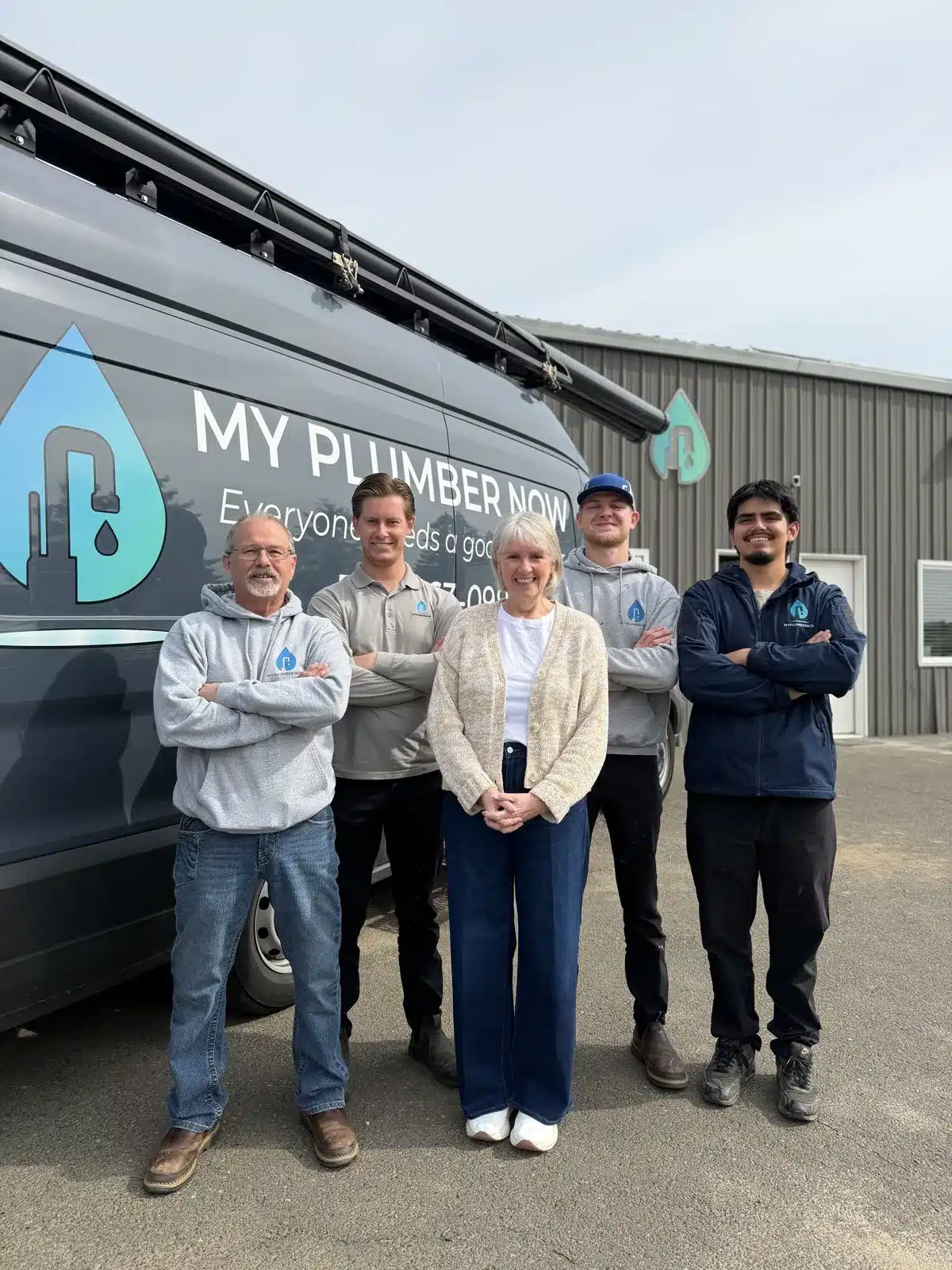
You work with the same family-owned McMinnville crew from the first walkthrough to the final wall patch. We give you a real recommendation, not an upsell, explain every option at the estimate, and coordinate the parts we subcontract so you’re never left managing the job yourself.
- Full interior repipe in PEX-A
- Drywall repair coordinated for you
- Upfront pricing, approved before we start
- A text with your technician’s photo before they arrive
Just one leak instead? See our water line repair services.
Schedule ServiceCall (503) 583-0267
What Our Neighbors Say
Rated 5.0 stars across 180+ Google reviews in the Willamette Valley.
 Rating

Steven Smith
October 23, 2026
Service was excellent and job was completed quickly, neatly and professionally. No high pressure sales pitch. Will use again when the need arises.

Eric Thompson
October 19, 2026
Jerry and Cesar were competent, completed the tasks I needed done and very pleasant to go with it.

Casa MAC LLC
October 19, 2026
Thank you Jerry and crew for fixing my bathroom sinks! Love that they provide a photo in advance of showing up. They were on time, efficient and sinks now drain! I’ll use them again!

Carey
October 16, 2026
My husband and I can’t say enough good things about this company. We have had the opportunity to use their services personally as well as refer them commercially and for a friend and we have been impressed every time. Every individual we have had interactions with has been Professional, courteous, friendly, knowledgeable, reliable… this is truly a company you can count on for excellent service! By far the best around!


Sondra Green
October 12, 2026
Trevor from My Plumber Now was prompt, knowledgeable, and pleasant. A great experience. Thank you Trevor!

Marika Feibel
October 1, 2026
I would recommend Sean with My Plumber Now to family, friends and my real estate clients. He and is company is professional and timely!!!

Barbara Trimble
September 29, 2026
These guys are outstanding Sean and Trevor completed my job in one day. And this job was not easy, going under my crawl space and all that goes with it (replacement of galvanized pipe).As well as unplugging my laundry room pipe and rebuilding a toilet and sink. They cleaned everything up after and explained everything to me. Great communication. They are professional and personal at the same time. I would recommend them to any and everyone. The office staff are great as well. Linda, answered all my many questions and calls quickly setting my mind at ease with all the financial and scheduling questions . Thanks to this team , I can sleep well tonight.

BTD
September 28, 2026
Great work done by Sean today replacing some old plumbing pipes in our pressure tank. Went above and beyond and also solved a mysterious wiring issue that was keeping the pump from shutting off. This is the second time we have used MyPlumberNow and it's clear that they will be our go to for plumbing needs from now on. Already have the next service set up for annual maintenance. It's a complicated system and it's great to have found someone that's so capable and communicates so well to take care of it.

Don Fassett
September 25, 2026
I scheduled My Plumber Now to replace my water heater, and from my initial interaction with Linda the administrator and Jerry the technician, I immediately felt that I could trust the company representatives. When the appointment day arrived, I received a message letting me know the team was on their way. Once they arrived, they got right to work. The entire team was friendly, professional, and kept me informed throughout the process. Every interaction, from the initial quote through the completed installation, was excellent. I was very impressed with the service I received and will continue to use My Plumber Now as my primary plumbing service provider. I highly recommend them.

Christina Fowler-Thias
September 23, 2026
In a stressful situation, Sean came through with first rate customer service and care. He responded to our call within hours, worked with us on assessing the situation, discussed our options so we could decide what was best for us, then went to work. He was professional, hard working and made us feel like taking care of our problem was important to him. Linda in the office was just as responsive. Great business, great experience. He’s our guy from now on.

Pat Bellinger
September 16, 2026
We had a great experience with Sean. He was on time, called when he said he would, explained everything clearly, and gave us a final estimate before getting started. The work was done within the time he estimated, and he cleaned everything up when he was finished. He was friendly, professional, and really easy to work with. It’s not often you find a contractor who does everything right from start to finish. We would absolutely use him again and highly recommend him.

Tsukk Theallknowing
August 27, 2026
Excellent service , the technician was respectful and very quick with the work . Very honest company and will definitely use them in the future


John Panighetti
August 1, 2026
Great communication, arrived on time after confirming they were on their way, knowledgeable technician, tackled everything that came up with an older shower faucet, prompt completion of the job, and a pleasure to work with all around.

Wendy Squire
July 31, 2026
Linda and Jerry are friendly and professional. Jerry was on time, gave a fair estimate quickly, and did the work competently and completely. We had two separate services, and on the second we were not at home but felt very comfortable allowing him access to the house. We will definitely call My Plumber Now again- although hopefully not too soon!

Barbara Robbins
July 24, 2026
This company just completed a total re-pipe of my house. Because the house is older, I was pretty nervous about what they might run into. This team did an outstanding job. Can't say enough good about them. Fast, professional, creative problem solvers, experienced, organized, efficient, clean and considerate. Will always recommend them and hire them for any future plumbing work. Great team!

Adam Carlson
July 20, 2026
My family and I had a full home repipe done along with a new toilet and water heater installed at the same time. The staff at MyPlumberNow were friendly, professional, honest, and conscientious from start to finish. I had many questions, given that it was such a large expense. But they walked me through every little thing and were even good enough to shift their approach to warranties after talking to me about it. I went out for four quotes on this job, and their price won't be beat. Even the inspector was impressed with and pointed out where they had gone above and beyond what was needed. These people do great work at a good price. Highly recommended!

carol gentry
July 10, 2026
Clogged drain they got us same day we’re on time professional and cleaned up after their work. Know who to call from now on

Laura Ramirez
July 3, 2026
I researched local plumbers and checked the Better Business Bureau before selecting a plumbing company to replace the polybutylene pipes in my home. I’m so glad I chose MyPlumberNow. Sean and his team were professional from the first communication through installation day and all the way to the final touches. Their quote wasn’t necessarily the lowest, but their timeline, workmanship, warranty and the overall experience proved they were the best value. For a major job like this, going cheap isn't the smartest option! I will absolutely turn to MyPlumberNow for any future plumbing needs and wouldn’t hesitate to recommend them to friends and family. Thank you for a job well done and on time!


Carol Gerhardt
June 30, 2026
My plumber now made scheduling very easy and they were very reliable. The guy, Trevor, doing the plumbing repair was knowledgeable and able to share the details with me in a way that I could understand easily. He explained everything and even showed pictures. He kept everything in the house clean and tidy and I really appreciated that. Everyone I've come in contact with at this company has been very nice.

Lisa Noonan
June 22, 2026
We had a leak in a pipe in the garage, I called My Plumber Now, they had Jerry and Caesar out by early afternoon. They didn’t have the specialty part in the truck but they went back to the shop and found one, they came right back and replaced it. We were only out of hot water for a few hours! Thanks so much!


Rick Brant
June 19, 2026
Excellent service and Trevor was fantastic with the repair I needed! Highly recommend MyPlumberNow.
Whole House Repiping Questions, Answered
Do you offer partial repipes?
Generally, no. Unless a section of your home was replumbed fairly recently, we recommend repiping the whole house at once. Running new pipe into old, failing pipe risks contaminating the new line, so it’s a better outcome to do it all at once than to leave part of the problem in place.
What pipe material do you use?
PEX-A, backed by a 25-year manufacturer warranty on materials.
How long does a whole-house repipe take?
Most homes take a day to a day and a half of actual plumbing work. Two days is rare, and it’s not longer than that except in an unusually large home. With inspection and the coordinated sheetrock repair, most jobs wrap up in about four days total.
Do you repair the walls you open?
We coordinate the drywall repair with a subcontractor as part of the job, so you don’t have to find and manage that separately.
Will you also replace my water heater or main line?
Both are options; we’ll walk through them during the estimate. If your water heater is getting old, we’ll flag it so you can decide whether to replace it during the same visit, and we’ll talk through whether replacing the main line makes sense for your home too.
How do I know if I need a repipe instead of a repair?
Repeated pinhole leaks, especially on older copper or CPVC pipe, low pressure that repairs haven’t fixed, or visibly corroded pipe are the usual signs. We’ll give you a straight answer after walking your home, not a guess over the phone.
Are you available 24/7?
Our regular hours are Monday through Friday, 8:00 a.m. to 5:00 p.m. Same-day and next-day scheduling covers most urgent calls within that window.
Get Your Whole-House Repipe Scheduled
Whether you’re dealing with one leak too many or planning ahead on your own timeline, get a straight answer and an on-site estimate.
Schedule ServiceCall (503) 583-0267